It's one of the first questions people ask after an ulcerative colitis diagnosis, and it deserves a straight answer rather than a hopeful one or a frightening one.
I was diagnosed in 2018, at 29. The doctor who told me was kind about it, but he used the word I've since heard every newly diagnosed person dread: lifelong. So let me give you the honest version of the cure question - the one I'd have wanted back then - from someone who's been living with it ever since. None of this is medical advice. Your own IBD team is who you talk to about your care.
The short answer: can ulcerative colitis be cured?
There's no medicine that cures ulcerative colitis. That's the honest bit, and anyone who tells you otherwise is getting it wrong or selling something.
What treatment does is calm the inflammation down - getting you into what doctors call remission - and then keep you there for as long as possible. For a lot of people, the right treatment makes a real difference to everyday life.
There is one thing that's sometimes described as a cure: surgery to remove the large bowel (a colectomy). Because UC only affects the large bowel, taking it out ends the disease in the bowel. But it's major surgery, it changes your life in its own ways - you'll live with a stoma or an internal pouch - and it's a decision you'd only ever make with your team, usually when medicines haven't worked or there's a serious complication. It isn't a quick fix, and it isn't where most people's story goes.
And if you're asking the wider question - can inflammatory bowel disease be cured? - Crohn's disease is different again. There's no cure for Crohn's either, and because it can affect any part of the gut, surgery doesn't cure it the way it can for UC.
What "remission" actually means
Remission is the word you'll hear most once you're diagnosed, so it's worth understanding. It means a period where the inflammation has calmed and your symptoms have settled or gone. It's the aim of almost every treatment you'll be offered.
But here's the part I wish someone had spelled out for me: remission is not the same as cured. UC comes in flares, with calmer spells between. A calm spell can last weeks, months or years - and then the illness can come back. After my first treatment I improved, and I genuinely believed I'd beaten it. I hadn't. It came back, hard.
Feeling better is a good spell, not a finish line. Enjoy it - and keep in touch with your team while you do.
That's not meant to scare you. It's meant to stop a good spell catching you off guard the way it caught me. If you know the shape of the illness, a flare is a setback, not a betrayal.
Lifelong doesn't mean life over
When you're newly diagnosed, "lifelong" can sound like a sentence. I understand that - I spent a long time half-convinced the doctors had got it wrong, because accepting it felt like giving up.
But lifelong means the illness stays with you. It doesn't mean it decides everything about you. The right treatment can take you from barely functioning to living a life again. It took me a long time, and more than one medication, to find what worked for me. And I'll be honest: some days I still struggle to leave the house. Treatment might not give you back every single thing. What it can do is stop you being a shell of yourself - and that's worth a lot.
If you've only just been told, the Start here page is the place I'd begin, and I've written about what I wish someone had told me when I was diagnosed.
Where surgery fits in
I want to be careful here, because surgery is the thing that frightens people most, and it's often mentioned early, when you're least able to take it in.
According to Crohn's & Colitis UK, around 7 in 100 people with colitis need major surgery in the first five years after diagnosis - and fewer people need it now than twenty years ago. So most people manage their UC with medicines. For people who do have surgery, life afterwards varies a lot from person to person, and your team will talk you through it properly if it ever comes up.
If someone mentions an operation and it frightens the life out of you, it's okay to ask them to slow down. A worst case is not a forecast. Ask what would have to happen for surgery to be on the table, and what the plan is before that.
Why I'd run from anyone selling you a cure
Here's my honest opinion, and it's not a popular one online: if someone is selling a cure for ulcerative colitis, they're selling you something.
You'll find them quickly - the special diet, the supplement, the cleanse, the friend of a friend who "cured themselves". Some of them mean well. But there's no diet that cures UC, and no supplement either. Food can affect how some people feel day to day - and that's worth working out with your team or a dietitian - but it isn't what causes the illness, and it isn't what cures it.
The danger isn't just wasted money. It's people stopping or delaying the treatment that actually helps, while they chase something that was never going to work. Please don't do that.
What I'd tell you if you've just been diagnosed
Take your treatment seriously, even when you feel better - especially when you feel better. Learn your own early warning signs; I've written about the flare signs I watch for. Ask your team plain questions: What's the plan to get me into remission? How will we know if it's working? What happens if this medicine doesn't work? Who do I call if things get worse?
And be patient with yourself. You want to be better yesterday. That's normal. It's a long road - but good days are coming.
Frequently asked questions
Is ulcerative colitis lifelong?
Yes. UC is a long-term condition. It usually comes in flares, with calmer spells (remission) in between, and treatment aims to keep you in remission for as long as possible.
Can ulcerative colitis go away on its own?
Symptoms can settle for a while, which can feel like it's gone - but the condition itself is still there, and it can flare again. That's why it's important to keep in touch with your team even when you're feeling well.
Does removing the colon cure ulcerative colitis?
Because UC only affects the large bowel, surgery to remove it ends the disease in the bowel, and it's sometimes described as a cure. But it's major surgery with long-term changes of its own, and it's only considered with your team - usually when medicines haven't worked or there's a serious complication.
Can diet cure ulcerative colitis?
No. No diet causes or cures UC. Some people find certain foods affect how they feel, and that's worth exploring with your IBD team or a dietitian, but food isn't a cure.
Can inflammatory bowel disease (IBD) be cured?
Not at the moment. Inflammatory bowel disease is the umbrella term for ulcerative colitis and Crohn's disease, and the NHS describes both as lifelong conditions with no current cure. What treatment can do is control the inflammation and keep you in remission - and for a lot of people, that means long spells of living well.
Can Crohn's disease be cured?
There's no cure for Crohn's disease. Treatment aims to control the inflammation and keep you in remission. Unlike UC, Crohn's can affect any part of the gut, so surgery doesn't cure it.
The honest bottom line
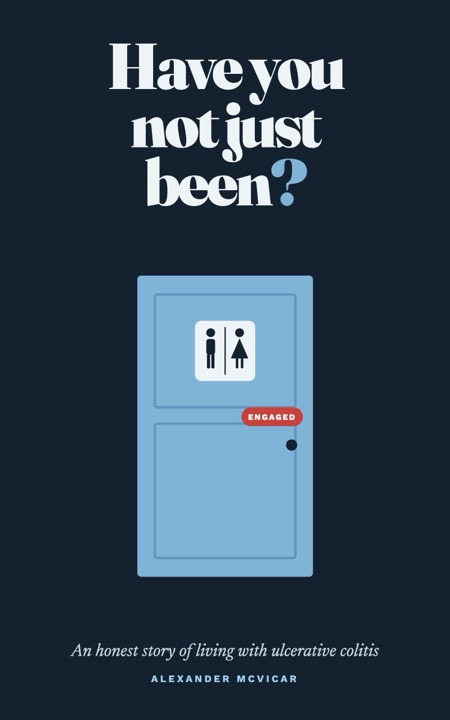
There's no cure for ulcerative colitis yet - but there's a lot of help, and a life to be had alongside it. I'm still living with mine, and I'm writing a book about all of it: Have You Not Just Been?, the honest story of living with UC, out on 28 January 2027. If you'd like to hear when it's out, you can join the list below.
Sources
- NHS: Crohn's disease
- NHS: Ulcerative colitis - treatment
- Crohn's & Colitis UK: Surgery for ulcerative colitis (PDF)
This is my experience, not medical advice - always speak to your GP, consultant or IBD team about your own care.
Living with ulcerative colitis since 2018, writing the honest version of it for anyone who’s newly diagnosed, struggling, or just wants to feel less alone.