Somebody asked me this week whether they should be scared of starting infliximab, because of what they'd read online. I remember that exact feeling.
I've lived with ulcerative colitis since 2018, and I've been having infliximab infusions on the NHS, here in the UK, since 2024. Before my first one, I did what everyone does: I read as much as I could. And somehow I always ended up on the horror stories. So this is the post I wish I'd found instead - what an infusion day is actually like, from someone who sits in that chair. It's my experience, not medical advice. Your IBD team is who you talk to about whether it's right for you.
Why the internet can make infliximab sound so frightening
Here's my honest opinion: Google can be really useful - if you land on the right information. Places like the NHS website and Crohn's & Colitis UK are a good start, and your IBD team is the best source of all. But the night before you start a new medicine, it's very easy to end up down a rabbit hole of the scary stuff instead.
Some people with good experiences do go online to help - there are plenty of them on places like Reddit, answering exactly this question. But a lot of people who have a smooth infusion never think to write about it. They go home, have their dinner and get on with their day. The people who had a bad time are more likely to post - and fair enough, their experience matters. It just means what you find online can be lopsided, with more of the rare cases than the usual ones.
The leaflet doesn't help either. It has to list every possible side effect, however rare, and reading that list at 2am is enough to frighten anyone. A list of what could happen isn't a forecast of what will. If something on it worries you, ask your team how common it actually is - I've written about getting the most out of an IBD appointment if you want help with the questions.
Before you start: the checks
Before infliximab is started, your team will run some checks. According to NHS hospital guidance, that usually includes screening for tuberculosis (TB) and hepatitis, and going through your vaccination history - because infliximab affects your immune system, and live vaccines generally aren't recommended while you're on it. Your team will explain what they need from you. For me, the TB check included a chest X-ray to look at my lungs.
It can feel like a lot of tests for one medicine. It's them making sure it's safe for you, before you start.
What an infliximab infusion day is actually like
This is how it goes at the NHS day unit where I have mine. It's a UK experience - every hospital does things slightly differently, and if you're in another country the process may look quite different, so check with your own team. But in the UK, the shape is usually similar.
If you'd rather see it than read it, I filmed one of my infusion days - the drive in, the ward, the drip and the walk home after. It's under two minutes:
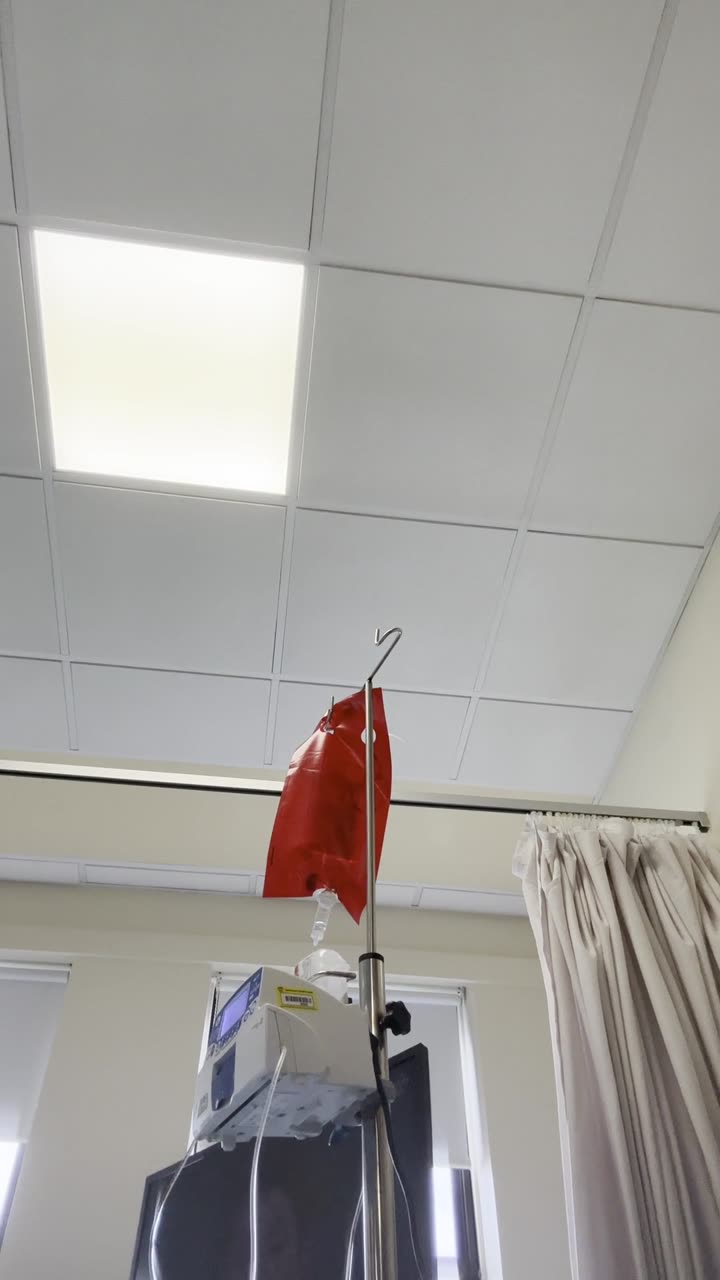
Watch it on YouTube - it opens in a new tab.
Before you go: two things that help me
This is just what works for me, not advice. I drink plenty of water beforehand - it might help some people too. And if I'm able to, I get a bit of movement in whichever arm I'd prefer them to use, so the blood gets pumping in that vein and it's easier to bring out. If you're not sure what's right for you, ask your IBD nurse what they recommend.
The checks when you arrive
A nurse takes your blood pressure, your heart rate and your temperature (mine's done in the ear), and you get weighed. Then a few questions: have you had any recent vaccines, are you on any new antibiotics, do you have any open wounds or infections, and a couple of others. They're asking because infliximab affects your immune system, so they want to be sure you're well enough for it that day.
One thing that might reassure you: my blood pressure and pulse can sometimes be a bit high when I arrive. I walk up quite a few stairs to get there, and it could be nerves as well. They check them again before you leave, and by that point they've usually come down a little. So don't worry if yours are a bit higher than you'd like them to be.
The cannula and the flush
Next, the cannula goes into a vein in your arm or hand. If your consultant has asked for bloods, they can usually take them through the cannula at the same time, so it's one needle rather than two. Then you get a flush - a bag of fluid that clears the line. Mine takes about five to ten minutes.
Honestly, for me the cannula is probably the worst part of the whole day. Once it's in, the rest is mostly sitting.
The infusion itself
Then the infliximab bag goes onto the drip and it starts. For my first five or six infusions, it ran over about two hours, so the nurses could make sure I handled it okay. After that, mine has run over about an hour. Your team decides the timings for you.
How often you have it
You don't start on a regular rhythm straight away. First come the loading doses: your first infusion, then another two weeks later, then another four weeks after that. After those, you settle into a regular schedule - usually every eight weeks, though your team can make it more often (it can be anywhere from every four to every eight weeks) depending on how you're responding. That's their call, based on how you're doing, not something to change yourself.
Passing the time
You can be in the chair for quite a while, and it can get very boring. Some places have a TV, but I don't think anyone really watches it, to be honest. Most people just nap, sit on their phones or read a book.
So take your phone, a book, a tablet, headphones - or just have a nap. Where I go, there's sometimes a bed free, but I choose a chair. The first time, I was quite nervous because I didn't really know what to expect. Now it's just part of my routine.
I've never had a reaction, and I've never seen anyone else in the unit have one. And if you did, the nurses are right there - that's exactly what they're trained and ready for.
Infusion reactions: the bit everyone worries about
This is the fear I had too. According to NHS hospital guidance, some people do have a reaction, usually during the infusion or shortly after. These reactions are usually mild, but they can occasionally be more serious - which is exactly why it's given in a hospital unit, with nurses keeping an eye on you. If you do react, they can slow the drip down or stop it.
For what it's worth: I've never had one, and in all my time in the day unit I've never seen anyone else have one either. That's only my experience, not a promise. But it's a different picture from the one I got online.
If anything feels off during or after an infusion - a rash, breathlessness, feeling unwell - tell the nurses straight away, or contact your IBD team if you're home. That's what they're there for.
The side effects I actually had
After my first few infusions, I was quite tired, and I had a bit of a sore head. Nothing extreme, and it only happened once or twice before my body got used to it. Headaches and tiredness are among the common side effects listed for infliximab, so if it happens to you, you're not imagining it - but do mention anything that worries you to your team.
The other thing nobody really tells you: it may not work overnight. Crohn's & Colitis UK say you'll probably need two or three doses before you feel better. For me it took a lot longer - definitely over half a year. The real difference came in June 2025, when my team moved me from every eight weeks to every four. After about three months of that I went to every six weeks, which is where I am now. That's worth knowing going in, so a slow start doesn't make you think it's failed. Your team will be checking how it's going, and they'll talk to you about what happens if it isn't working.
And I'll be honest, because that's the point of this site: even with treatment, some days I still struggle to leave the house. Medication might not give you back everything. But it can stop you being a shell of yourself, and that's worth a lot. It's the same reason I'd tell anyone that there's no cure for UC, but there's a lot of help.
Frequently asked questions
How long does an infliximab infusion take?
In my experience, the first few ran over about two hours, and later ones over about an hour. Add time for the checks, the cannula and the flush, and possibly some time being monitored afterwards. Your hospital will tell you how long to allow.
How often is infliximab given?
It starts with loading doses: the first infusion, another two weeks later, and another four weeks after that. Then it's usually every eight weeks, although your team may give it more often - anywhere from every four to eight weeks - depending on how you respond.
How long does infliximab take to work?
Crohn's & Colitis UK say you may feel better soon after starting, but you'll probably need two or three doses before you do. For me it was much slower - definitely over half a year - and the real difference came in June 2025, when my team moved me from every eight weeks to every four. After a few months of that I went to every six weeks, which is where I am now. Everyone's different, so if it doesn't seem to be working, tell your team rather than waiting it out.
Does an infliximab infusion hurt?
The only bit that hurts is the cannula going in - a sharp scratch, like a blood test. The infusion itself shouldn't hurt. If anything feels wrong while it's running, tell the nurse.
What are the most common side effects of infliximab?
Common ones listed include headaches, tiredness and infections, and some people have an infusion reaction. For me it was a bit of tiredness and a sore head after my first few, which settled. Your IBD team can tell you what to look out for and when to call them.
Can I drive home after an infliximab infusion?
Many people do, but it depends on how you feel and on your hospital's advice - especially for your first few infusions. Ask your team before your first one, and have a lift arranged just in case.
Why do they ask about vaccines and antibiotics every time?
Because infliximab affects your immune system. They want to make sure you don't have an infection brewing, and some vaccines (live ones) generally aren't recommended while you're on it. Answer honestly every time - it's for your safety.
If you're scared right now
That's completely normal. I was too. Write your worries down and take them to your IBD nurse or consultant - ask how common the things you've read about really are, and what the plan is if anything happens. You're allowed to take your time with a decision like this.
And if it helps to hear it from someone in the chair: the reality, for me, was a lot calmer than the internet made it sound. If you've just been diagnosed, the Start here page is a good place to go next - and if you'd like to hear when my book about living with UC comes out, you can leave your email below.
Sources
- NICE: Infliximab for acute exacerbations of ulcerative colitis
- Liverpool University Hospitals NHS: Infliximab for IBD (patient leaflet)
- Leeds Teaching Hospitals NHS: Infliximab patient information (PDF)
This is my experience, not medical advice - always speak to your GP, consultant or IBD team about your own care.
Living with ulcerative colitis since 2018, writing the honest version of it for anyone who’s newly diagnosed, struggling, or just wants to feel less alone.